InsightsMarket
Small sites, conversions, and the next cycle
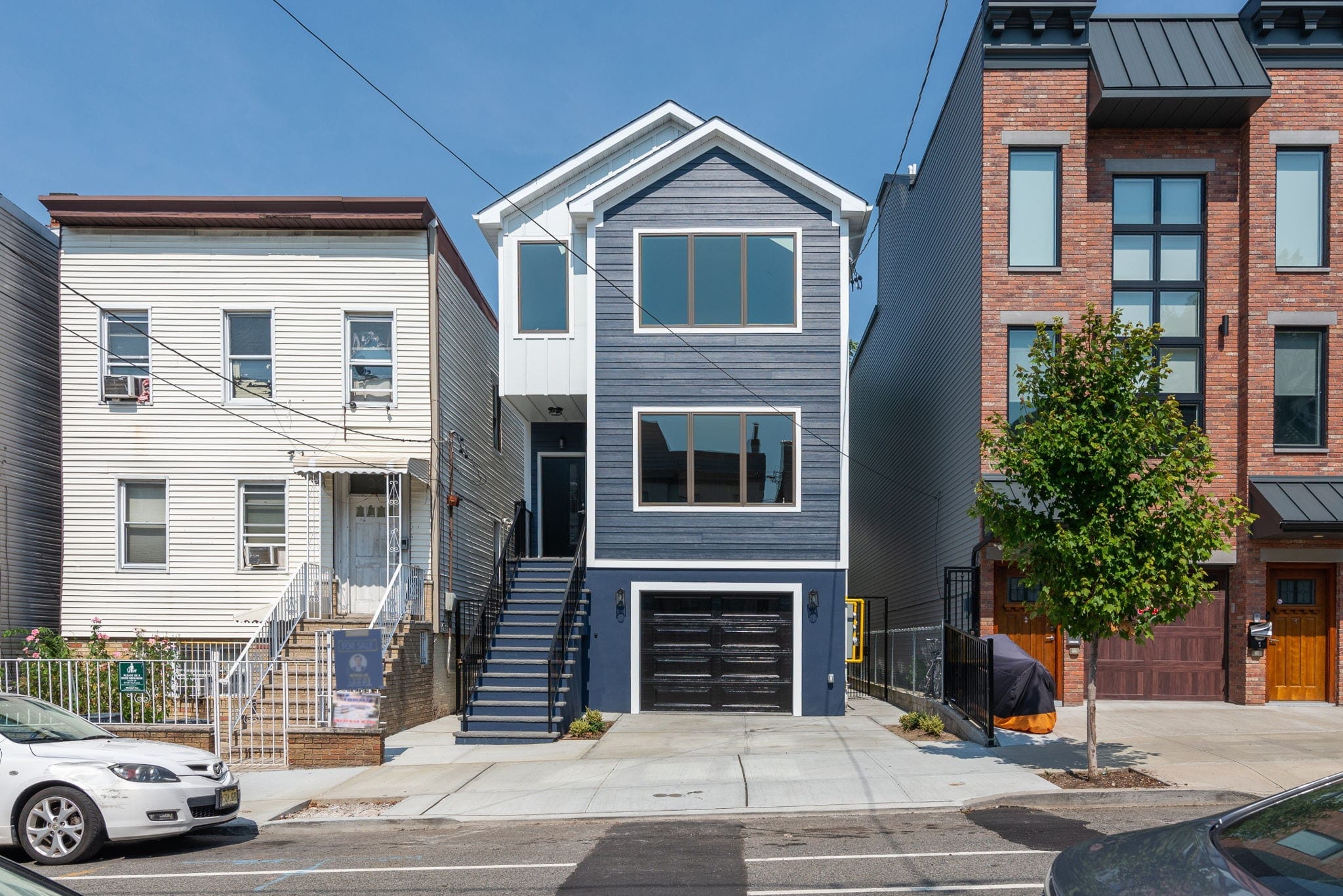
With the large waterfront and rail-yard sites largely spoken for, the interesting work from Hoboken to Brooklyn is moving to small sites, infill, and conversion.
Hoboken is a mile square, and the brownstone belt of Brooklyn is not much more forgiving. The large parcels that defined the last two decades of development sit at the edges, and most of them are now built or entitled. What remains, from the Hudson waterfront to the villages of Westchester and Bergen County, is the interior of the grid: individual lots, assemblages of two or three, and older buildings whose structure is worth keeping.
That shifts the product. Small sites favour a handful of full-floor residences over a hundred studios. Conversions favour tall ceilings and irregular plans that a ground-up building would not produce. Both reward a developer who is willing to sell fewer homes at a higher standard.
It also shifts the marketing. A nine-unit building does not need a sales gallery. It needs a clear position, a short list of the right buyers, and a release strategy that treats each residence as its own decision.
This is the segment we expect to spend most of our time in for the foreseeable future.